

1. The Streetlights Are Running a Séance for Pill Bugs
Credit: Idan Sheizaf, Ariel Chipman, and Eviatar Itzkovich
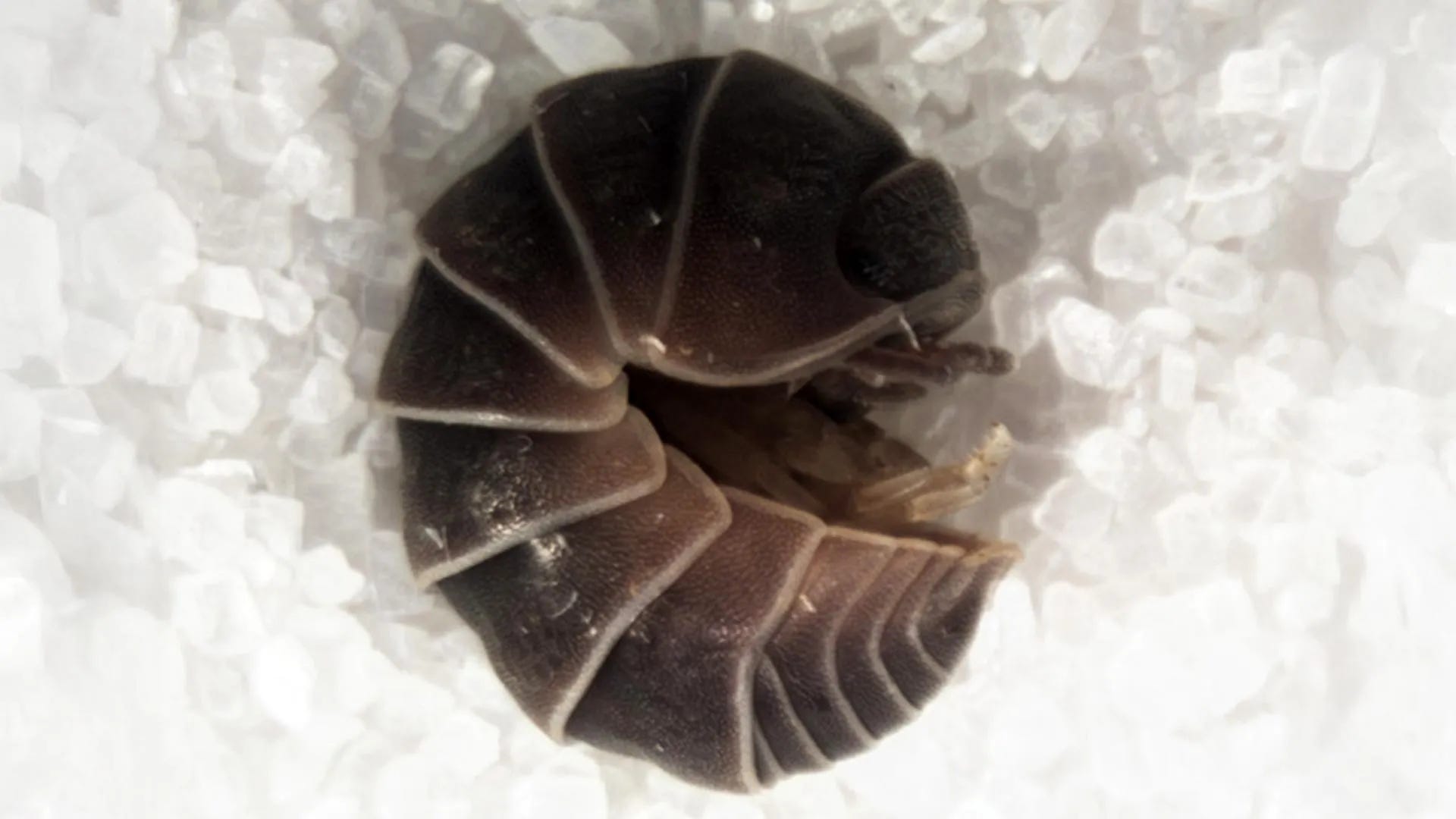
In the Golan Heights, an amateur naturalist filmed something no scientist had ever documented. Under ordinary streetlights, thousands of woodlice abandon their solitary lives and join a slow, synchronized circle, sometimes five thousand strong, marching clockwise or counterclockwise for no apparent reason. The spiral has no survival value. It just keeps going, self-sustaining, hypnotic. A centipede has already figured out how to hunt the edges. The lights did not summon a swarm. They summoned a ritual.
2. The Last Porpoise on Earth Just Had a Baby
Paula Olson, NOAA
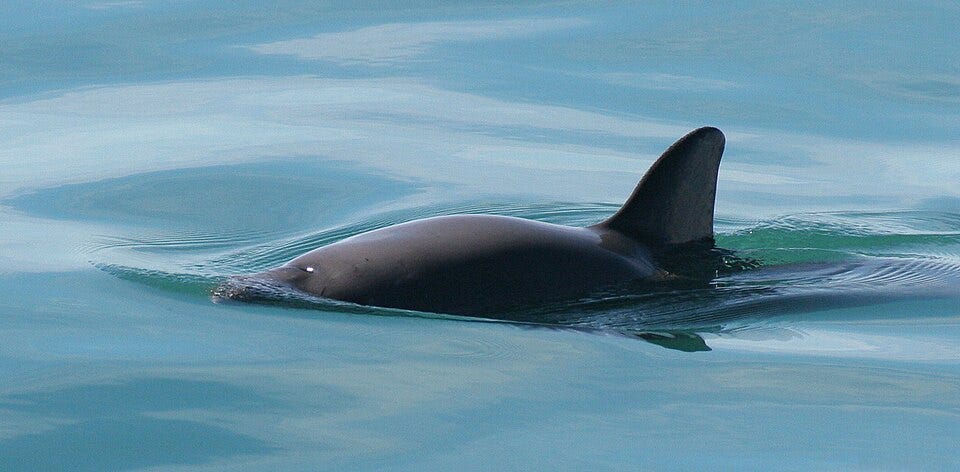
Fewer than ten vaquita porpoises are known to exist anywhere on Earth, all of them in one small stretch of the Gulf of California. This year’s survey found something researchers had not seen in years: new calves. One mother, nicknamed Frida, was spotted swimming beside a calf that had already survived its first full year, the hardest one there is. No gill nets were seen in the water at all during the survey. The vaquita is still here. And it is still trying.
Source: Scientific American
3. They Built a Cell From Nothing and It Started Eating

Kate Adamala / Adamala Lab
A team at the University of Minnesota assembled a cell using nothing alive at all: fatty membranes, a stripped-down protein-making system, and a genome built from scratch across seven plasmids. They named it SpudCell, after Sputnik. It feeds. It grows. It divides, though only for about five generations before it runs out of steam. It is not alive, exactly. But for the first time, something built entirely from non-living parts acted like it wanted to be.
Source: Smithsonian Magazine
4. A Spider in Queensland Built a Roman Siege Weapon
Ajay Narendra
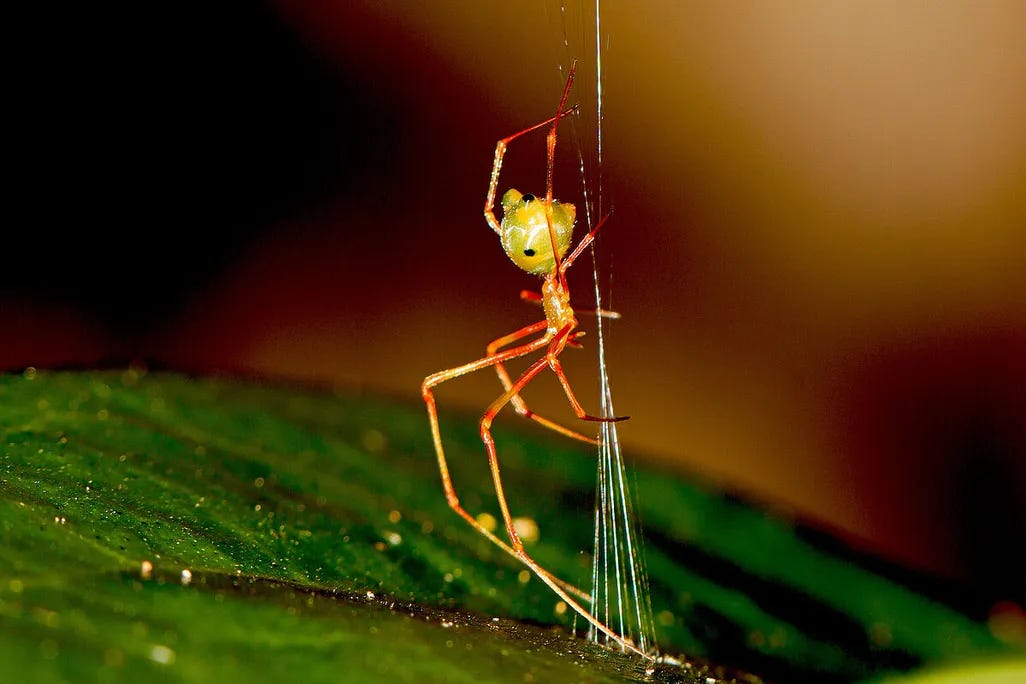
In the rainforests of Cape York Peninsula, a nocturnal spider coats a silk cone with a pheromone that lures aggressive green tree ants into biting it. The bite triggers the mechanism. The ant is catapulted more than 30 centimetres into the web above at accelerations 140 times the g-force experienced by jet pilots. Gram for gram it is the most powerful biological catapult ever measured. The spider has not been formally named yet. It has been quietly perfecting this for millions of years.
Source: Smithsonian Magazine
5. The Laugh You Just Laughed Is 15 Million Years Old
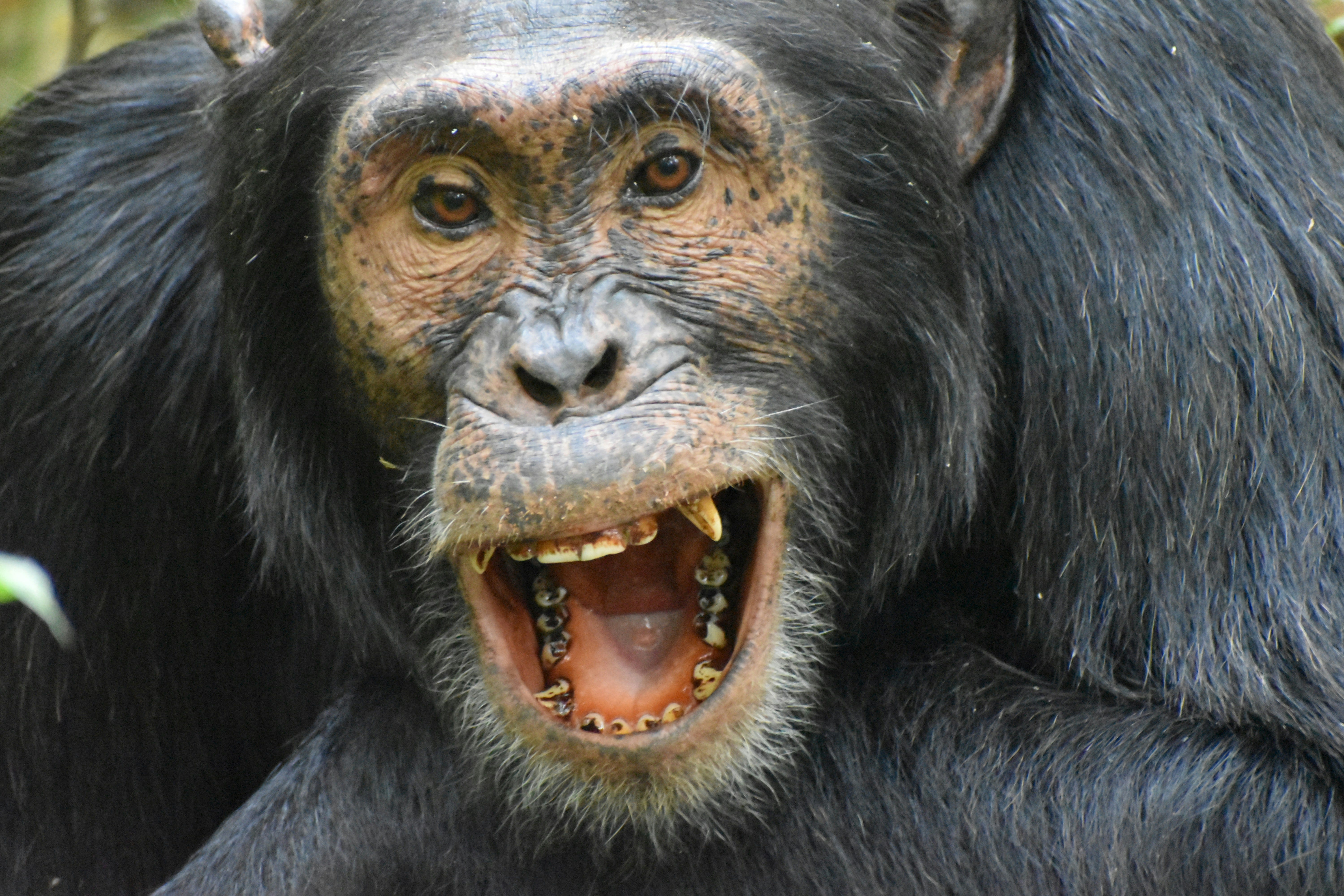
Photo by Alex Kraft on Unsplash
Researchers recorded laughter from orangutans, gorillas, bonobos, chimpanzees, and humans, then measured the exact spacing between each vocal burst. Every species produced laughter on the same underlying rhythm, a structure that has held steady for at least 15 million years. Human laughter has since sped up and grown more flexible, but the beat underneath it is the one a tickled chimpanzee still keeps. The next time something makes you laugh, you are doing something your ancestors were doing before they were human.
Source: ScienceDaily
6. They Got Fired. They Rebuilt It Anyway.
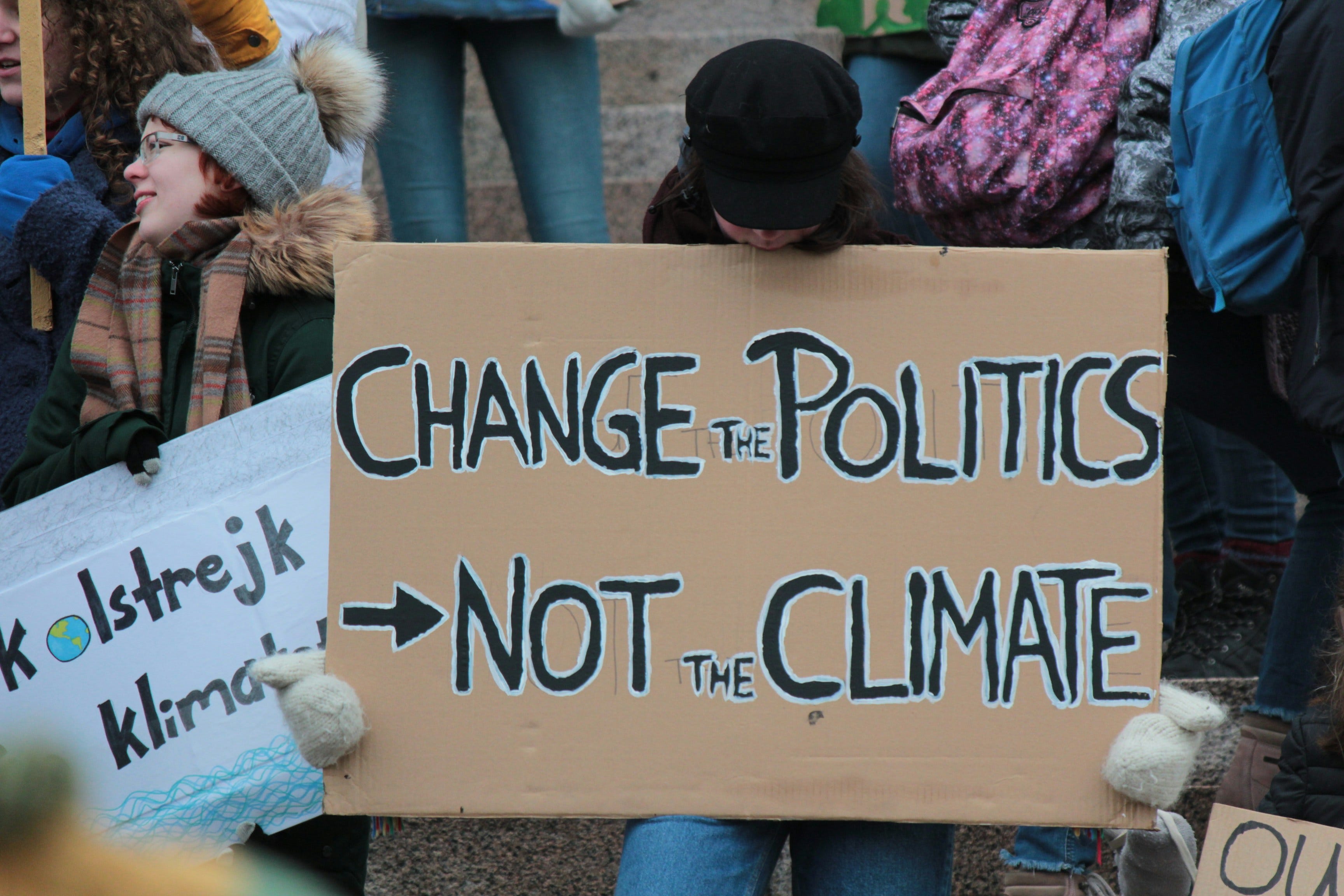
Photo by Tania Malréchauffé on Unsplash
When the government shut down Climate.gov and laid off its entire staff, former program director Rebecca Lindsey did not send a strongly worded letter. She crowdfunded $280,000 from 2,500 strangers, recruited 80 volunteer scientists, and rebuilt 15 years of climate data as an independent nonprofit at Climate.us. In under a year. “Trusted climate information,” she said at launch, “should not disappear when politics change.” It didn’t. Because she wouldn’t let it.
Source: NPR
7. Someone Brought Wolves to an Island by Boat 3,000 Years Ago
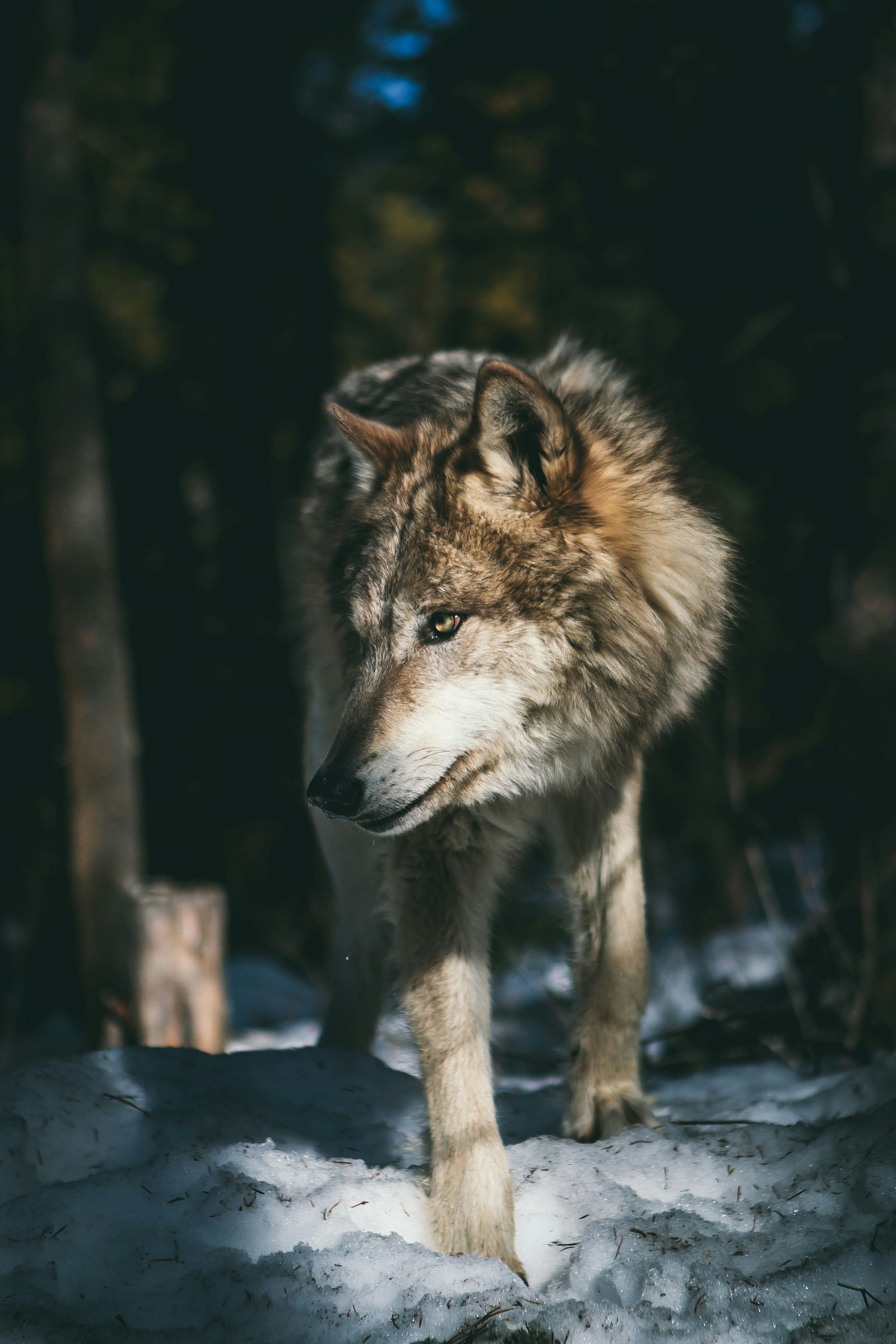
Photo by Andrew Ly on Unsplash
Stora Karlsö is a tiny Baltic island with no native land mammals at all, which is what makes the discovery so strange. Buried in a cave once used by Bronze Age seal hunters, researchers found wolf bones dating back three to five thousand years, animals that could only have reached the island by boat, carried there deliberately by people. Not dogs. True wolves, eating the same marine diet as the humans around them. Nobody knows why. The question is now 3,000 years old and still completely open.
Source: ScienceDaily
8. New Zealand’s Rarest Parrot Just Had Its Best Year Ever
Department of Conservation, CC BY 2.0 <https://creativecommons.org/licenses/by/2.0>, via Wikimedia Commons
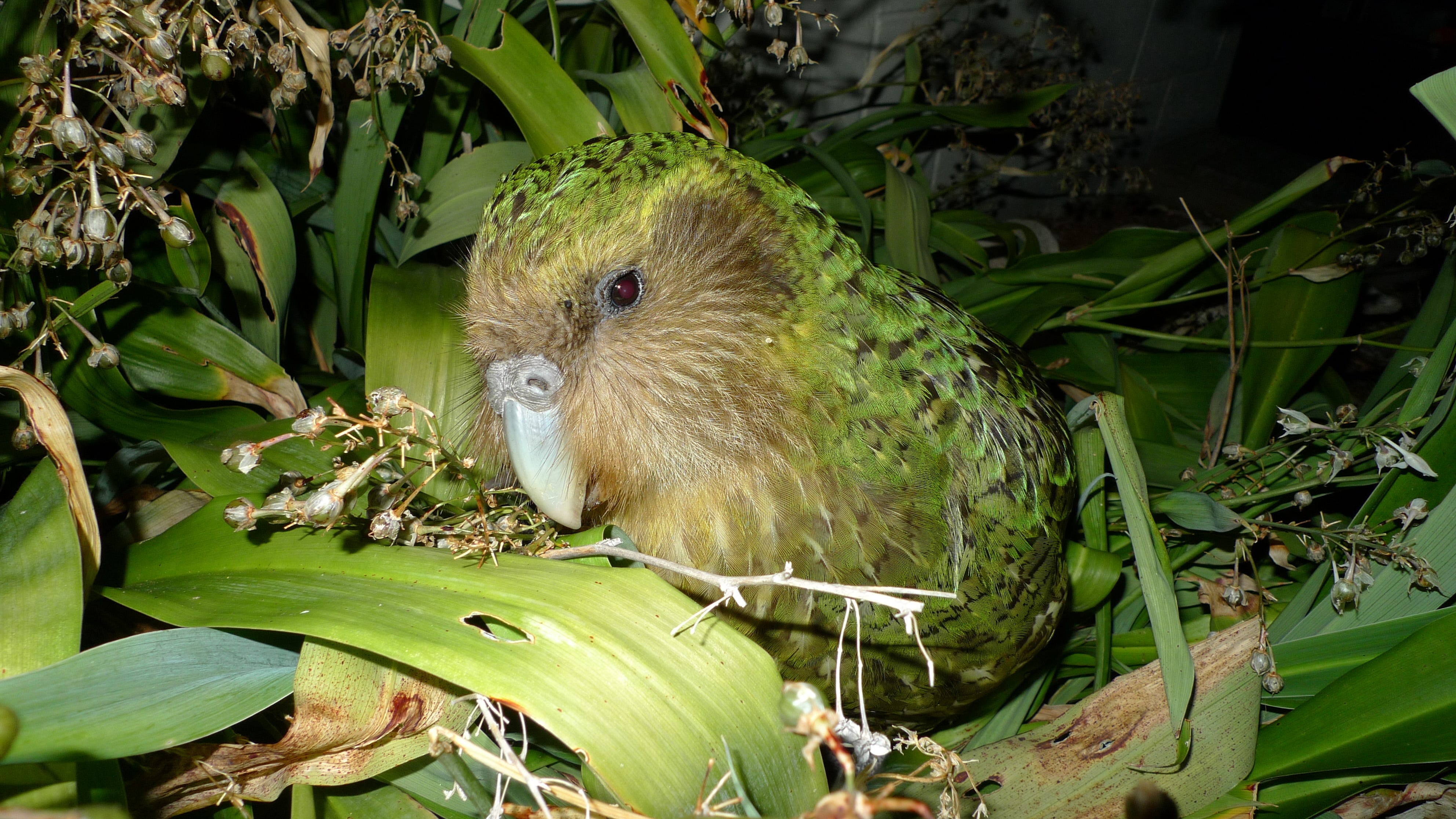
Every two to four years, a single tree species in New Zealand fruits in overwhelming abundance, and every time it does, the kākāpō, a nocturnal, flightless, powerfully sweet-smelling parrot, decides it is time to breed. This year’s rimu bonanza was the biggest on record. The result: 150 fertile eggs, more than 90 chicks, and a recovery team openly admitting the intervention has become almost absurd in scale. The entire living population descends from just 51 birds saved in 1995. This year they made 90 more.
Source: National Geographic
9. A Graduate Student Watched a Star Die for 200 Days and Caught Einstein Being Right
Creator:NASA Goddard
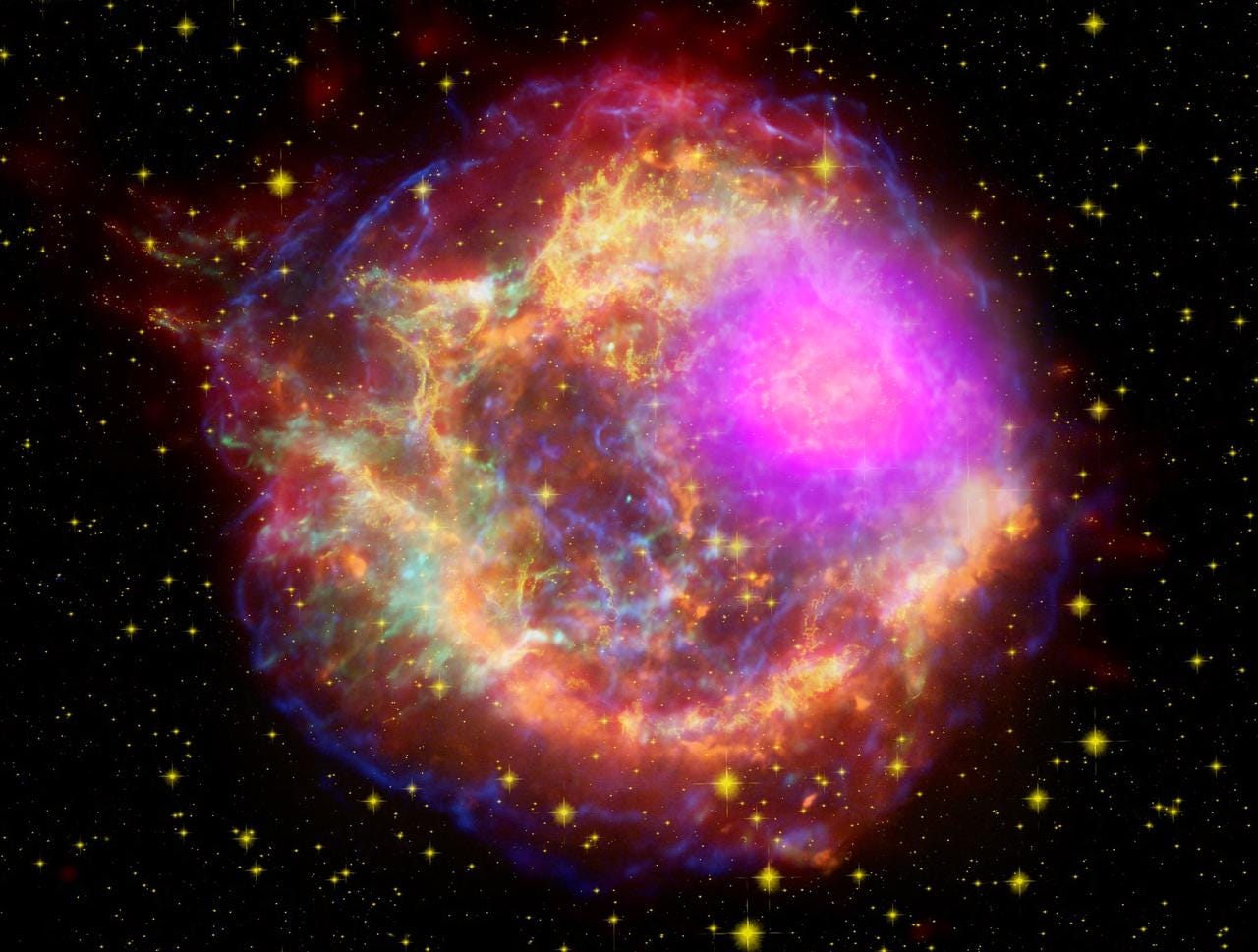
For two hundred days, a graduate student watched a supernova fade, and it kept doing something no supernova should do: flickering in a rhythmic chirp, like two black holes spiraling together before collision. The pattern turned out to be a newborn magnetar, a neutron star with a magnetic field 300 trillion times stronger than Earth’s, twisting space itself hard enough to make its own debris ring wobble. A sixteen-year-old theory about what happens inside dying stars, finally caught in the act.
Source: ScienceDaily
10. We Have Named About 5 Percent of Earth’s Insects
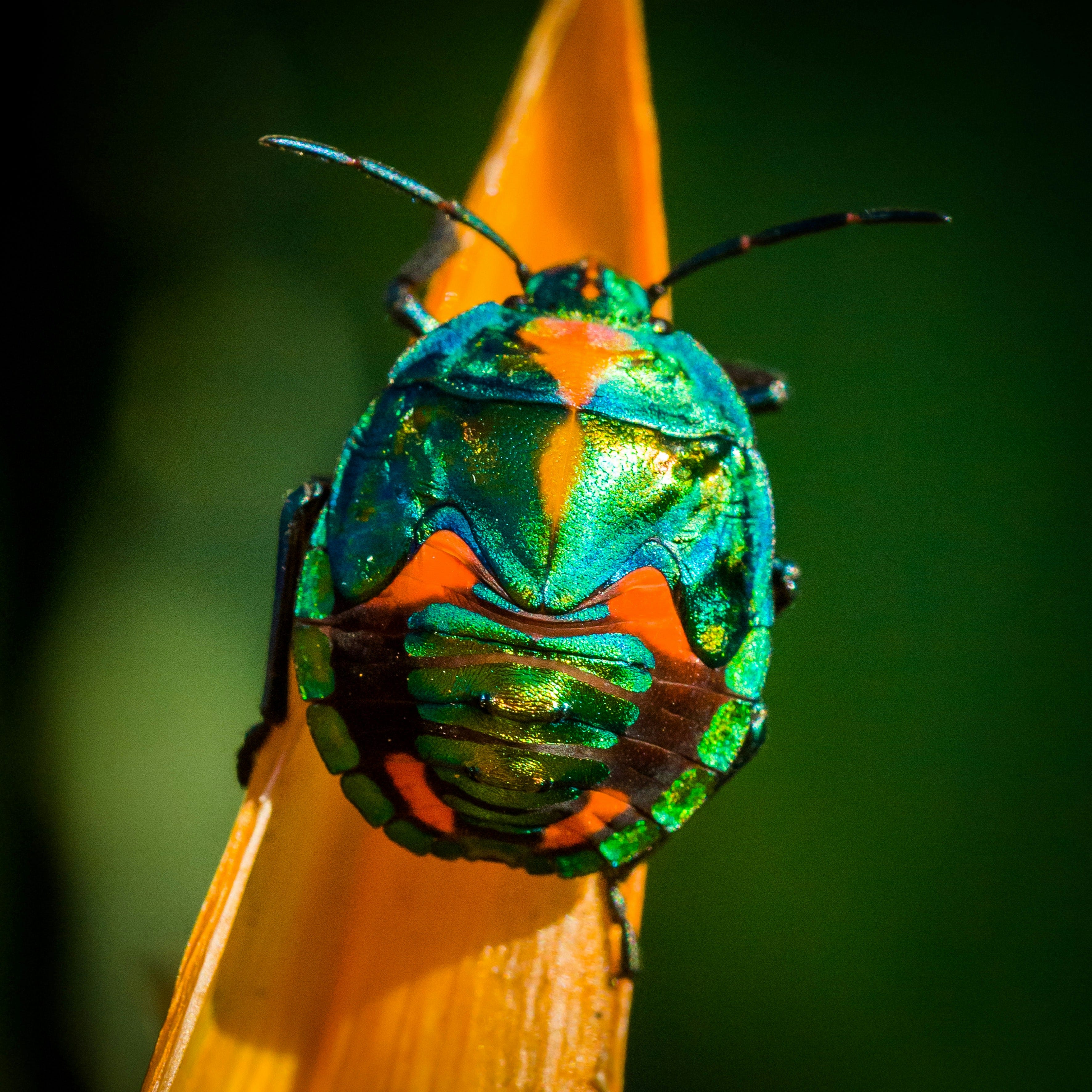
Photo by Stephen Hocking on Unsplash
For forty years, six million was the number every entomology textbook used for Earth’s total insect species. Then a team set fifteen tent-like traps across a single protected forest in Costa Rica, captured 1.6 million insects, found roughly 54,000 known species, and used that ratio to project the planet’s true total: somewhere between 14 and 20 million. Scientists have formally named about one million of them. The other 95 percent are still out there, unnamed, unknown, and apparently unbothered by our ignorance.
Source: Smithsonian Magazine
11. One Man Climbed Every Summit and Swam Every Ocean
Credit: Tommy Joyce
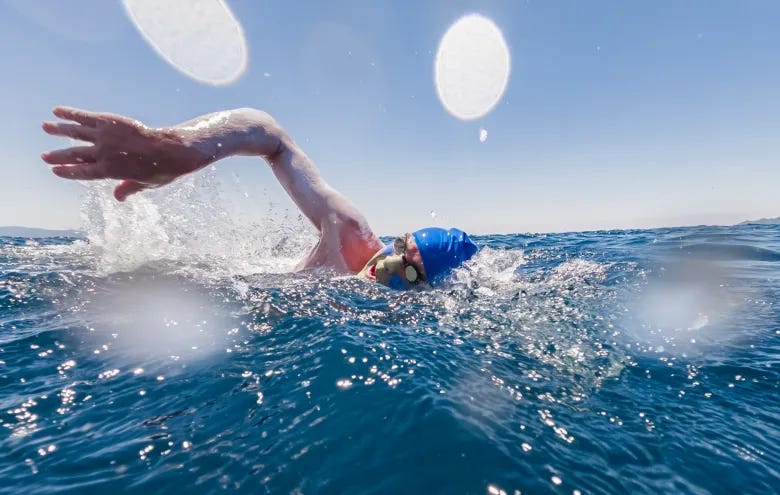
Climbing the Seven Summits, the tallest peak on every continent, has been done by hundreds of people. Swimming the Oceans Seven, the toughest open-water channels in the world, has been done by fewer than twenty. Nobody had ever completed both, until a realtor from Park City, Utah finished the final swim across Japan’s Tsugaru Strait this week. His wife watched from the support boat. He was already talking about his next challenge before he had finished toweling off.
Source: Park Record
12. Scientists Found a Giant Squid Without Ever Seeing One
Luciana Leite, CC BY 4.0 <https://creativecommons.org/licenses/by/4.0>, via Wikimedia Commons
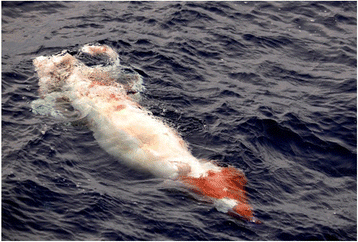
Fifteen hundred kilometres north of Perth, researchers dropped equipment down submarine canyons more than four kilometres deep, chasing traces of life that never showed up on camera. Using environmental DNA, tiny genetic fragments shed naturally into seawater, they identified an entire community of deep-sea animals including signs of a giant squid, without ever seeing one directly. More than a thousand samples. One canyon system. A species detected purely from what it left behind in the water.
Source: ScienceDaily — sciencedaily.com/releases/2026/05/260513221807.htm
13. The Last Wild Horses Came Home
Ancalagon
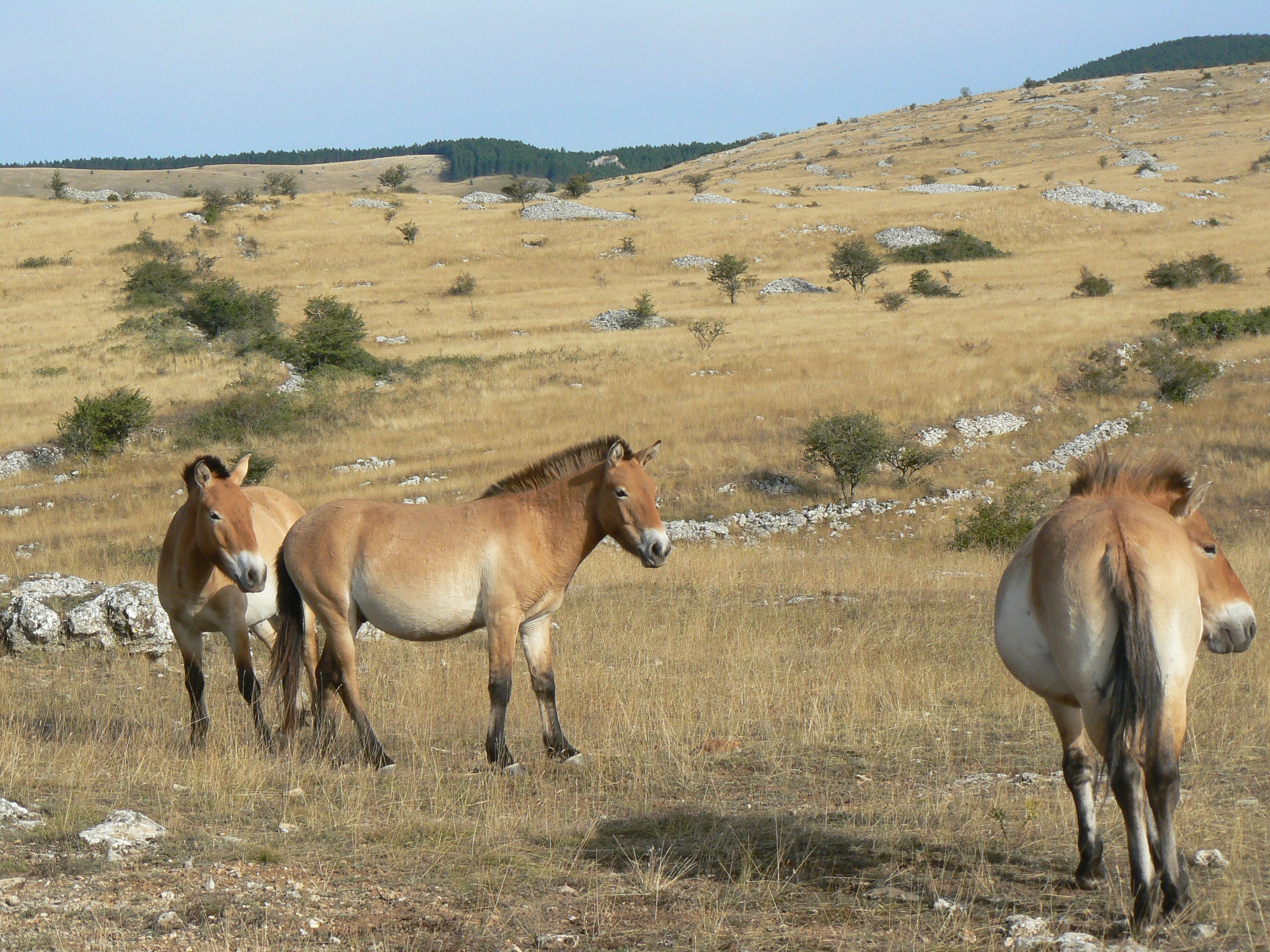
Przewalski’s horses, the last truly wild horses on Earth, went extinct in the wild in the 1960s. Every single one that survived lived in a zoo. Decades of breeding programs, coordinated reintroductions, and international collaboration across dozens of countries later, more than 1,000 now roam free across Mongolia and Kazakhstan. The ancestor of every domesticated horse on the planet came back from zero. From cages. Into the steppe. The word for what happened is restoration, but it feels more like a miracle.
Source: Global Voices